

News
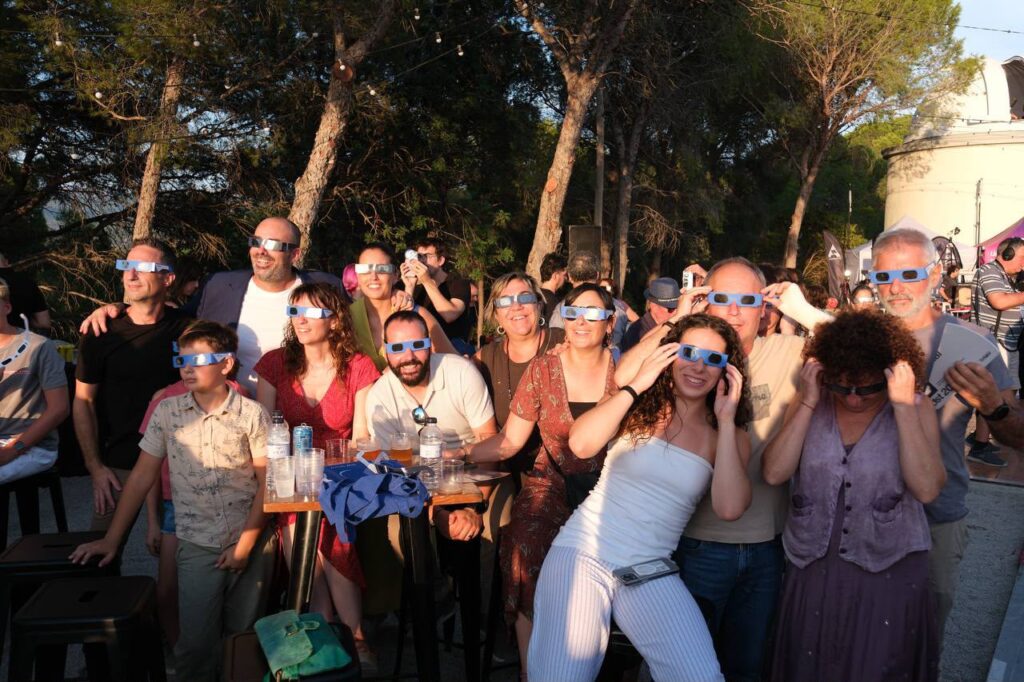
Catalonia successfully experiences a historic day of observation of the total solar eclipse
The Catalan Government will broadcast the total solar eclipse live from the historic Ebro Observatory, at the heart of the path of totality
More than 1,000 people have already joined the SOLARIS project to participate in research on the total solar eclipse
Activities Schedule
Do you know the recommended locations to watch the eclipse?
How will the eclipse be seen from your municipality?
Tips for enjoying the eclipse
A solar eclipse is a once-in-a-lifetime astronomical event in Catalonia, unseen since 1905. Thousands are expected to travel for it, especially to southern regions in the path of totality. To ensure that the experience is both safe and enjoyable, we are sharing some tips that may prove useful:
Plan your travel ahead of time
Roads to the south will be crowded, particularly in the hours before the eclipse. Arrive at your spot well in advance – ideally days early – to avoid missing the peak moment.
Confirm visibility at your observation point
The Sun will be very low on the horizon (under 5 degrees). Check in advance for obstructions like mountains, buildings, or trees.
Respect guidelines and the natural environment
Many sites will be in mountainous or forested areas. Avoid starting fires and follow Rural Agents’ and authorities’ rules to minimise fire risks.
Find a shaded spot for waiting
Though totality lasts just 1 minute and 30 seconds, the wait will be long in mid-August heat. A shaded area will allow you to enjoy the experience with greater comfort.
Observe and photograph safely
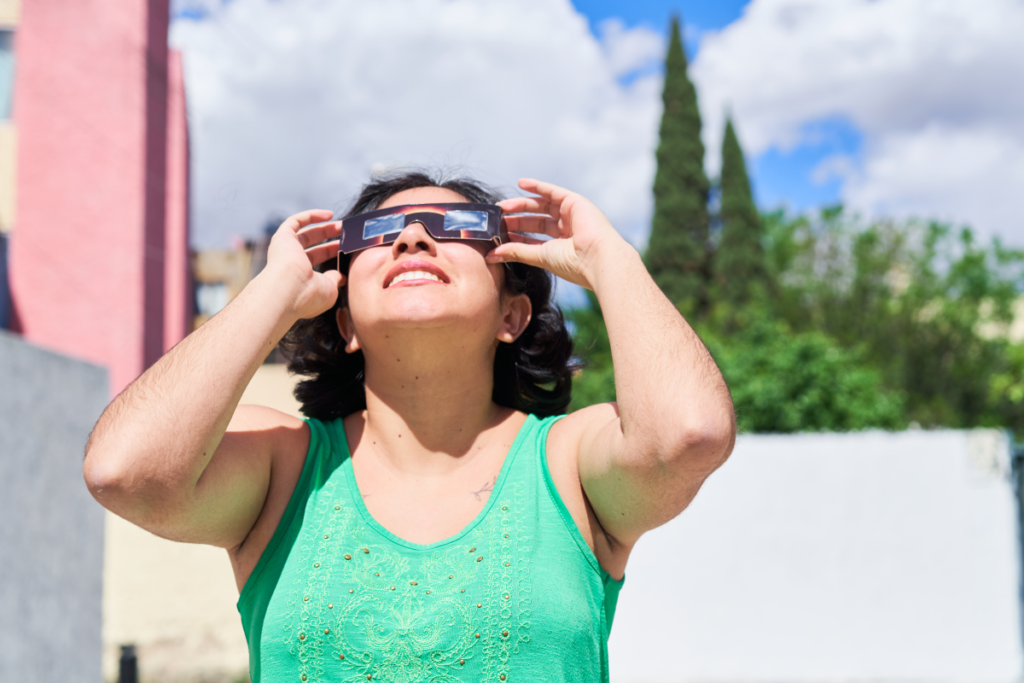
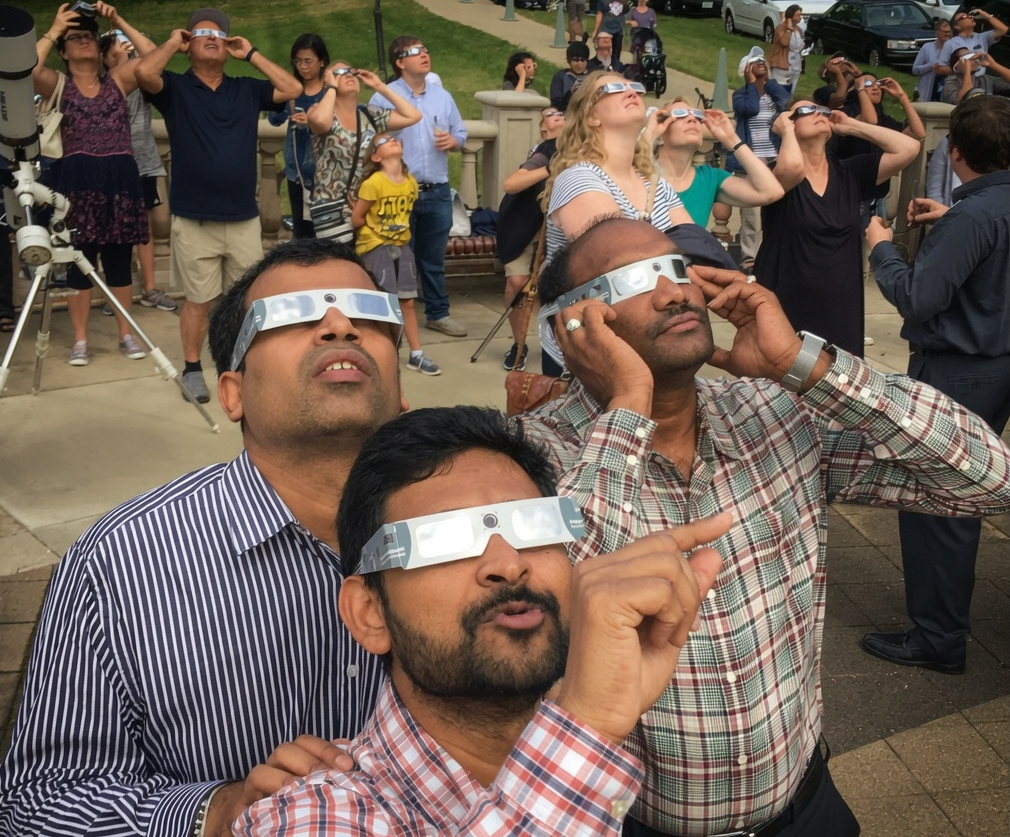
It is essential not to look at the eclipse with the naked eye during the partial phase: always use certified glasses designed specifically for this phenomenon. For binoculars, telescopes, or cameras, ensure approved solar filters are securely in place to protect your eyes and equipment sensors.
Bring water and basic supplies
August heat and long waits call for good hydration. Pack food if you’ll be there all afternoon.
Don’t leave immediately after the eclipse
Global eclipse experiences show traffic jams peak during departures. Stay a little longer to avoid congestion.
Note that the Perseids meteor shower peaks on the night of August 12. Consider watching it from your eclipse site and heading home later to bypass peak traffic.